
Tour overview
Pakistan, known as the land of saints and mystics, carries a profound spiritual heritage rooted in Sufi traditions of love, tolerance, and devotion. Sufi tourism offers travelers an opportunity to explore sacred spaces where music, poetry, and faith come together revealing the heart and soul of Pakistan’s cultural identity.
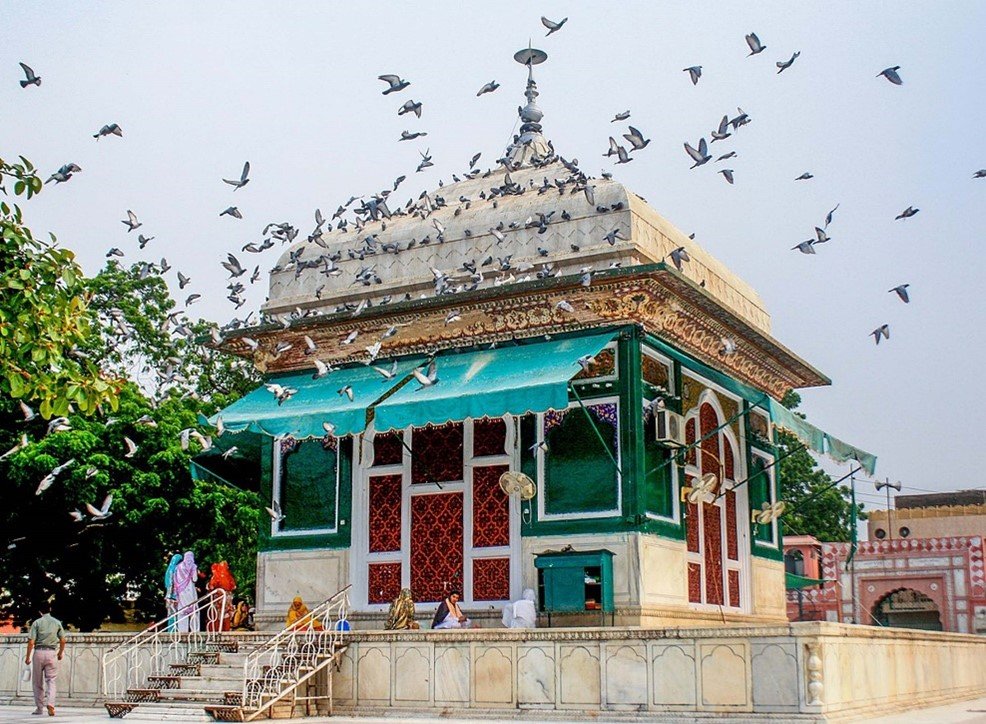
The journey begins in Lahore at Data Darbar, the shrine of Hazrat Ali Hujwiri (Data Ganj Bakhsh), the largest and most visited Sufi shrine in South Asia. Revered for his teachings of generosity and compassion, this shrine remains the spiritual center of Lahore and hosts one of the region’s grandest Urs celebrations.
In Multan, the “City of Saints,” lie the shrines of Hazrat Bahauddin Zakariya and Hazrat Shah Rukn-e-Alam. Both are monumental figures of the Suhrawardi Sufi order, known for spreading spiritual knowledge and harmony through their teachings. Their grand tombs, masterpieces of early Indo-Islamic architecture, symbolize the city’s spiritual prominence.
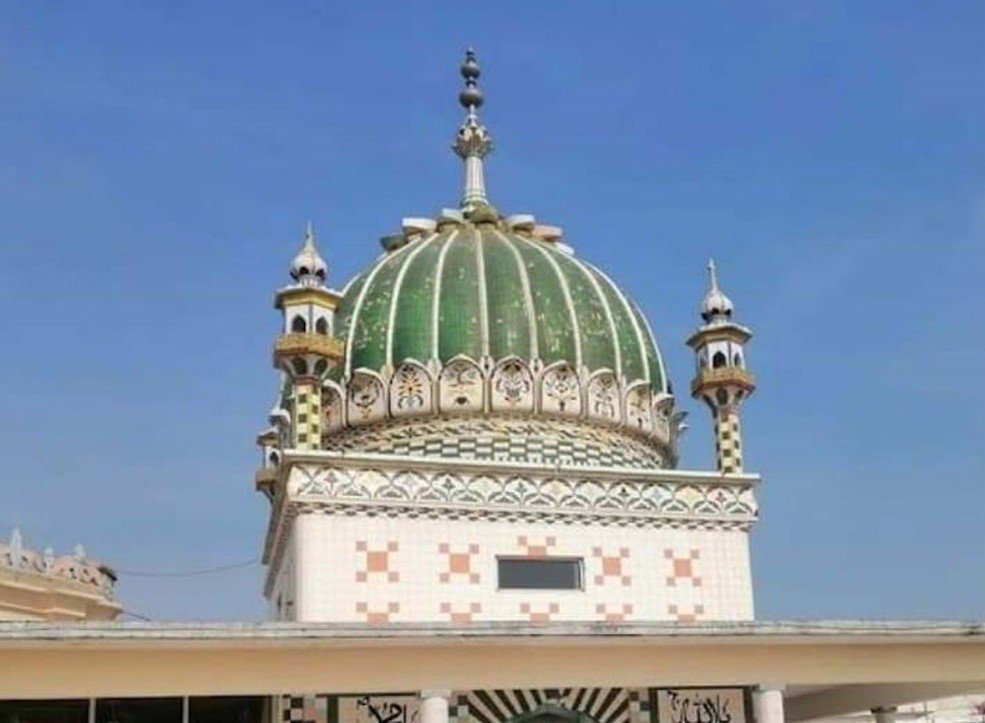
A little farther north in Sirikot Sharif, Haripur, stands the Darbar-e Alia Qaderia, a respected Sufi center of the Qadri order. This shrine, linked to the lineage of Hazrat Abdul Qadir Jilani (Ghaus-e-Azam), continues to guide followers in the path of spiritual discipline, charity, and service to humanity. Its peaceful setting in the Hazara hills makes it a unique destination for meditation and reflection.
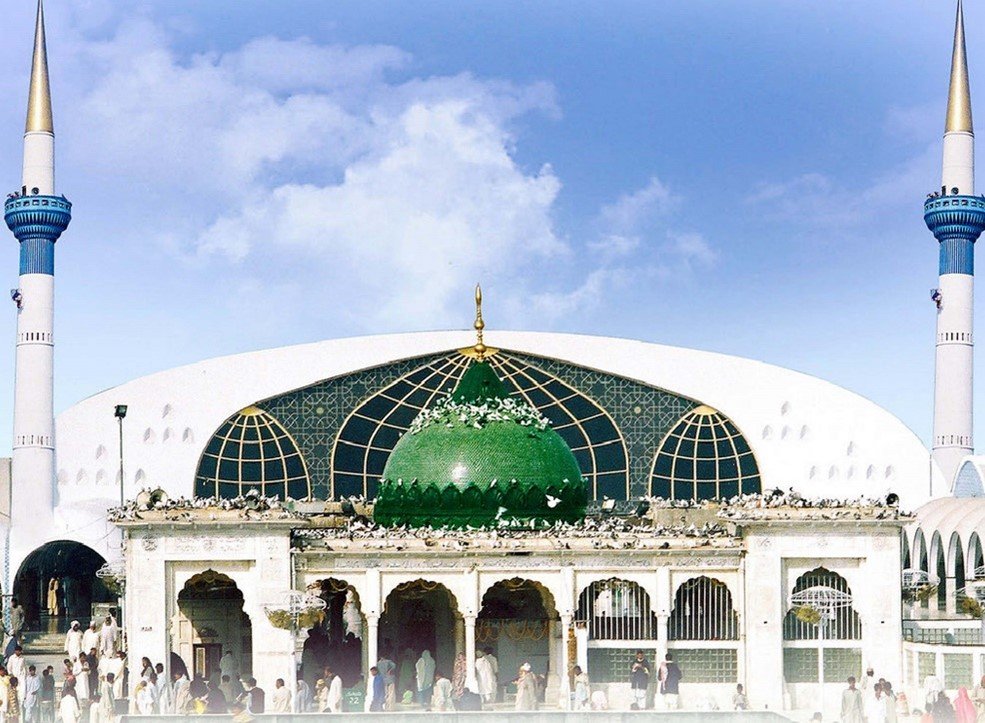
In Sindh, devotion reaches its peak at the shrine of Hazrat Lal Shahbaz Qalandar in Sehwan Sharif where the dhamaal (devotional dance) represents ecstatic love for the Divine and symbolizes religious harmony between Sunni and Shia communities. The nearby shrine of Shah Abdul Latif Bhittai in Bhit Shah celebrates the saint-poet whose verses embody the essence of Sindhi identity, love, and faith. In Khairpur, Hazrat Sachal Sarmast, known as the “Second Rumi,” preached unity across languages and faiths, spreading a universal message of divine love and inclusiveness.
Moving north again, Hazrat Bari Imam and Pir Meher Ali Shah in Islamabad represent the living soul of Sufism in Pakistan’s capital. Bari Imam, the patron saint of Islamabad, is revered across all sects, while Pir Meher Ali Shah of Golra Sharif is known for preserving classical Sufi thought and opposing false doctrines.
In Karachi, the seaside shrine of Hazrat Abdullah Shah Ghazi stands as a symbol of protection and resilience, believed to safeguard the city from natural calamities. In Sialkot, the shrine of Hazrat Imam Ali-ul-Haq, a warrior saint, commemorates his bravery and spiritual devotion during the defense of his homeland.
Together, these sacred sites form a spiritual map of Pakistan — a land where divine love transcends boundaries and centuries-old Sufi traditions continue to unite hearts in peace and faith.